Who Owns the Erotic Body? Orang Minyak, Hypersexuality, and the Disruption of Imperial Scopic Regimes in Nurul Atiqah Zaidi’s Wanita; Wani-Nata, Wani-Ditata (Woman; To be Brave-to Rule, To Dare-to be Policed)
2026
Written by Faith Tan (faifyboo)
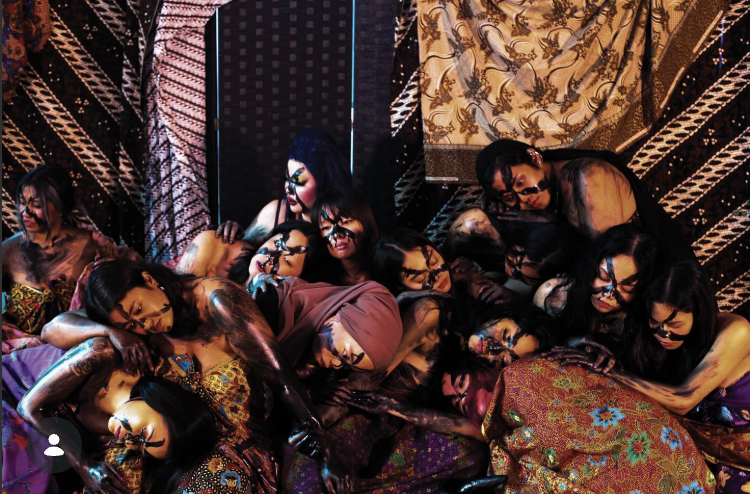
Fig 1. ‘Nata, Wani-Ditata Art film by @nurulatiqahzaidi’, @wani_____ta (2024) [Instagram]
I write this from an embodied perspective, acknowledging that critical analysis is inherently subjective and intertwined with lived experience. My engagement with questions of eroticism, visibility and the female body is shaped by my own history of sexual violence within past intimate relationships and the hypersexualisation that followed as a means of negotiating power, safety, and selfhood. Rather than framing
hypersexuality as excess or pathology, I approach it here as a survival response born within patriarchal systems that discipline, shame and regulate female bodies. This essay thus becomes an act of embodied reclamation, repositioning the body not merely as an object of vision but as a site of knowledge and resistance.
My positionality as a Southeast Asian woman further informs this inquiry. Shaped by my ethnicity, ancestry, and sex, my understanding of the erotic body is entangled with histories of colonial classification, moral regulation, and visual objectification. Southeast Asian female bodies have been rendered hypervisible yet voiceless—simultaneously eroticised, feared, and morally policed. Our issues often go overlooked and unseen, as more attention for worldwide solidarity is generally aimed towards East Asian female bodies. Hence, this essay is an ode to my ancestry—the women who had to deal with generations of systemic oppression, fetishisation and control, and to my past self—the young me who did not know how to navigate my trauma after years of abuse. To situate my gaze in this way is to push back against the idea of a universal, disembodied observer, a fiction that continues to shape colonial ways of seeing and knowing.
I seek to reclaim authorship over how my body—and bodies like mine—are theorised and made legible. This feminist and decolonial methodology informs Singaporean artist Nurul Atiqah Zaidi’s project: Javanese: Wanita; Wani-Nata, Wani-Ditata (Woman; To be Brave-to Rule, To Dare-to be Policed), which will form the primary case study of this essay. With this artist’s permission, I analyse this body of work as a critical intervention into visual and narrative regimes that have historically reduced Malay women as sites of fear, discipline, and moral regulation. Atiqah’s practice does not offer representation in conventional terms, but rather a radical reconfiguration of agency, control, erotic power and embodied and intellectual resistance.
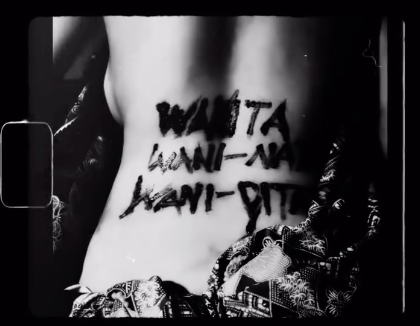
Fig 2. ‘Archives of Wanita; Wani-Nata, Wani-Ditata by @nurulatiqahzaidi’, @wani_____ta (2024) [Instagram]
Central to Atiqah’s practice is the distinction between the sexualised body and the sexual body. While the sexualised body is objectified, reduced to a source of spectacle, threat, or moral warning and constructed for external consumption, the sexual body withholds agency, autonomy, and self-determined erotic expression. Through performance, movement, and embodied symbolism, Atiqah positions the Southeast asian female body as a contested site of control, shame and visibility. Her work exposes how female bodies are long shaped, disciplined and eroticised under intersecting colonial and patriarchal regimes, while simultaneously reclaiming the body as a site of resistance, survivorship, and self-authored meaning.
Contextual Framework: Orang Minyak Folklore, The Golden Age of Malay Cinema, and Colonial Ways of Seeing
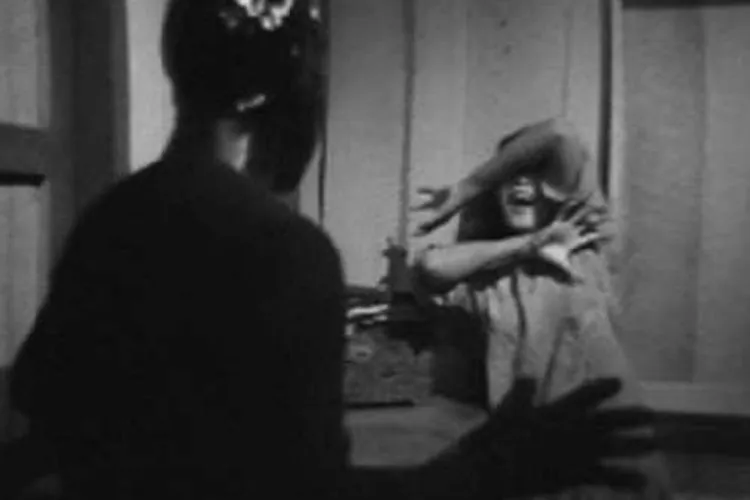
Fig 3. ‘The Mystery of the Oily Man, A Malaysian Ghost who likes to Harass Virgins and Widows’
from Orang Minyak. Krishnan, L. (1958)
The Golden Age of Malay Cinema was developed within a patriarchal visual regime shaped by colonial modernity, cinematic technologies, and moral governance inherited from British rule. In Unthinking Eurocentrism, Ella Shohat and Robert Stam argue that postcolonial cinemas frequently reproduce Eurocentric narratives and visual conventions, particularly in gendered representations, revealing that colonial visual grammars persist beyond formal decolonisation. The film, through the effects of postcolonialism, introduced not only new modes of representation but also epistemological frameworks that privileged visibility, classification and moral legibility. Women’s bodies were often positioned as sites of social anxiety and ethical regulation, while cinematic narratives reinforced binaries of purity and danger. Hence, patriarchal gazes in Malay cinema cannot be understood separately from imperial regimes but rather as their localised result—continuing the cycle of colonial ways of seeing through post-independent cultural production. Sexism in local media is thus deeply entangled within colonial technologies of vision and morality that sought to discipline female bodies through narrative control.
The figure of the Orang Minyak, particularly in the film Orang Minyak 1958 (dir. L. Krishnan), exemplifies these intersecting visual logics. Originating from Malay folklore, the Orang Minyak is rendered as a monstrous, in-between figure—neither fully human nor entirely non-human—whose oiled, hypersexualised body evokes fear, transgression, and moral threat (Fig. 3). Cinematically, the Orang Minyak becomes an entity for anxieties surrounding uncontrolled sexuality, racialised masculinity, and the perceived vulnerability of women’s bodies. Female characters within these narratives are consistently framed as passive victims, their bodies functioning as moral symbols to be protected, policed and punished. The fear of sexual violence is thus displaced onto the monstrous figure, while women’s agency and trauma remain overlooked.
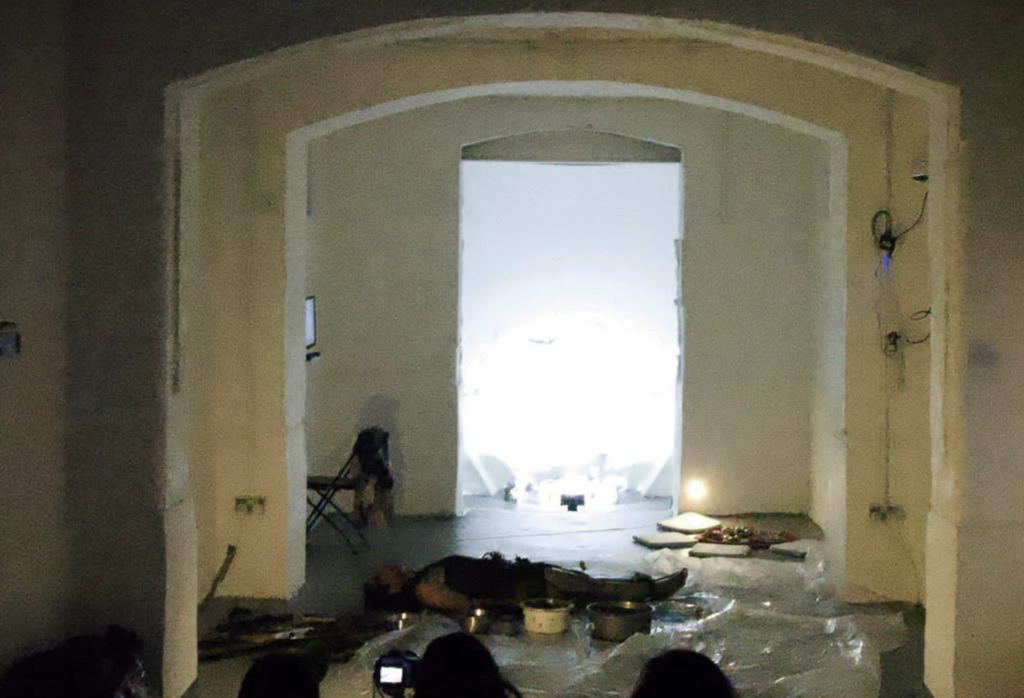
Fig 4. ‘Archives of Wanita; Daging Haram, Mayat Mandi (Third Rendition) (2025) BA (Hons) Fine Art Performance / The Morgue, Chelsea College of the Arts London / 03/04/2025 NAFA x UAL Final Exhibition, London’, @nurulatiqahzaidi and @wani_____ta (2025) [Instagram]
These representations reflect a broader colonial-humanist logic in which the “human” subject—rational, moral, and controlled—is positioned as the observer and classifier of all other beings. Bodies that exceed these norms, whether monstrous, erotic, or feminine, are often rendered less-than-human and subjected to containment. It is against this visual and ideological lineage that Nurul Atiqah Zaidi’s Wanita;
Wani-Nata, Wani-Ditata intervenes. As a counter-reaction to Orang Minyak films (Fig. 3), Atiqah collapses fixed classifications of victim and perpetrator, human and monster, and fear and desire. In Atiqah’s archives of Wanita: Daging Haram, Mayat Mandi (Women: Forbidden Meat, Corpse Bath), she embodies both roles through performance, oil, and movement and challenges the authority of the colonial gaze to categorise, moralise, and control—foregrounding the body as a site of agency, contradiction, and radical re-visioning (Fig. 4).
Theoretical Framework: Hypersexuality after Trauma and the Oil Concoction
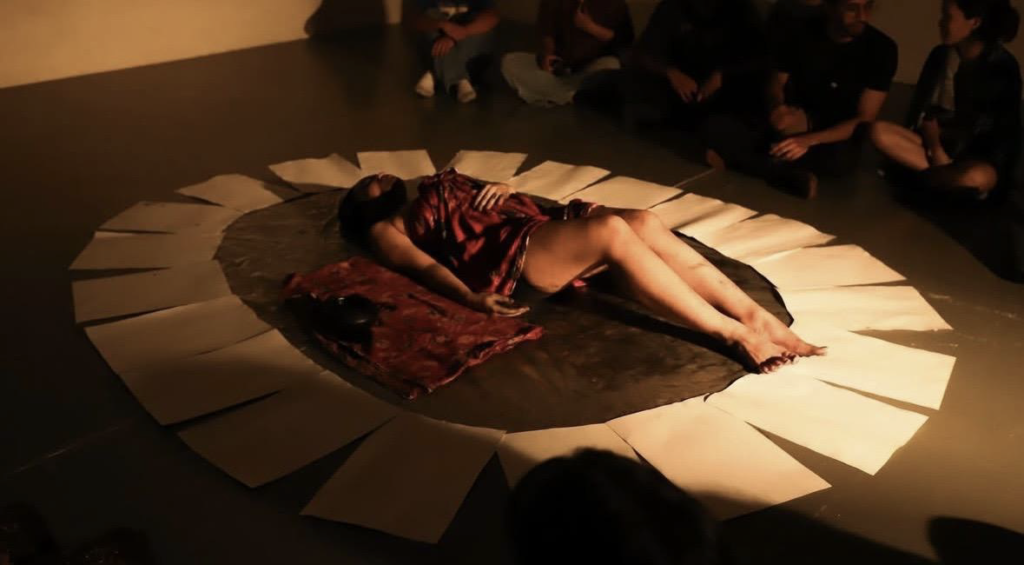
Fig 5. ‘Protest Party 2: Wanita Ditata Archives 21/06/24 | Atiqah on hypersexuality after trauma and sexual assault’, @nurulatiqahzaidi and @wani_____ta (2024) [Instagram]
Wanita; Wani-Nata, Wani-Ditata, Nurul Atiqah Zaidi’s Protest Party 2: Hypersexuality after Trauma and Sexual Assault portrays the idea of erotic excess as resistance rather than pathology (Fig. 5). The performance, documented through photographic fragments shared on Instagram, unfolds through deliberate, repetitive bodily movements, exaggerated gestures, and confrontational expressions. Atiqah’s body is presented as hypervisible and unapologetically excessive, refusing to act within stillness, modesty, or narrative closure. Rather than offering coherence or vulnerability for easy consumption, the performance overwhelms the viewer through intensity, solidarity and refusal, producing discomfort rather than clarity.
Hypersexuality is frequently stigmatised, medicalised, or moralised as a symptom of psychological damage, usually in discourses surrounding sexual trauma. Such frameworks pathologise excess desire, reinforcing shame and positioning sexual expression as something sick, in need of correction and restriction. Atiqah’s Protest Party 2 actively resists this logic by reframing hypersexuality as reclamation, protest, and self-protection. Her focus on ambiguity allows the audience to ponder: Who owns the erotic body? Who controls its meaning? As feminist scholars such as Audre Lorde have argued in Uses of the Erotic: The Erotic as Power, the erotic functions not as pornographic deviance—sensation without feeling and thought, dominance without reciprocity—but as a source of knowledge, agency, and resistance that patriarchal systems seek to oppress. With this, erotic expressions following trauma can be read not as moral failure but as embodiment and self-authorship. Atiqah’s body of work aligns with this lineage by asserting erotic excess as a reclamation of trauma, not an invitation to domination—refusing passive visibility, respectability politics, and victimhood. The body becomes excessive to the point of illegibility: an overflow of free-will that resists classification and confinement. The viewer, who self-inflicts mastery through seeing, loses clarity and authority to judge, moralise, or stabilise meaning. Atiqah exceeds humanist containment, becoming unruly, unclassifiable, and resistant to the colonial demand for legibility.
This disruption gains further resonance when referenced alongside the sexualised victims of Orang Minyak folklore cinema, where fear of female sexuality is displaced onto a dominant figure, while women’s bodies are rendered silent, pure, and perpetually at risk. Sexual violence is narratively obscured through shame, virginity protection, and moral cautionary tales, producing conditions where freedom of sexuality is frowned upon, assault remains unspoken, blamed on victims, and female desire is feared. Hypersexualisation thus becomes both imposed and condemned—simultaneously fetishised and punished.
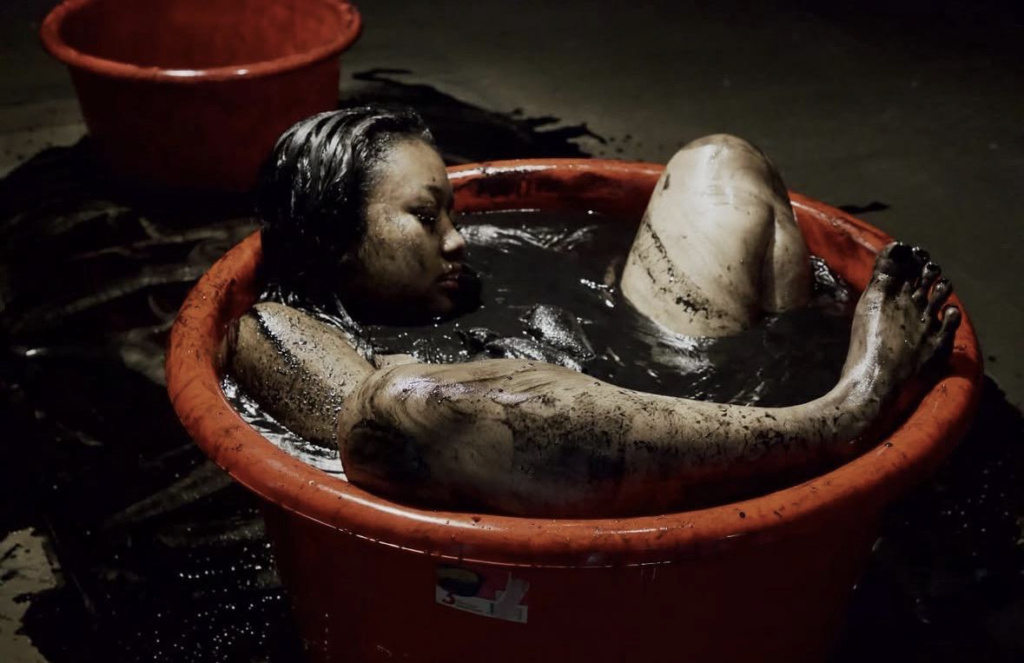
Fig 6. ‘Wanita: Minyak Mandi Archives 18/01/2025 | Performative Practices Lab 2025 x Singapore Art Week’, @nurulatiqahzaidi and @wani_____ta (2025) [Instagram]
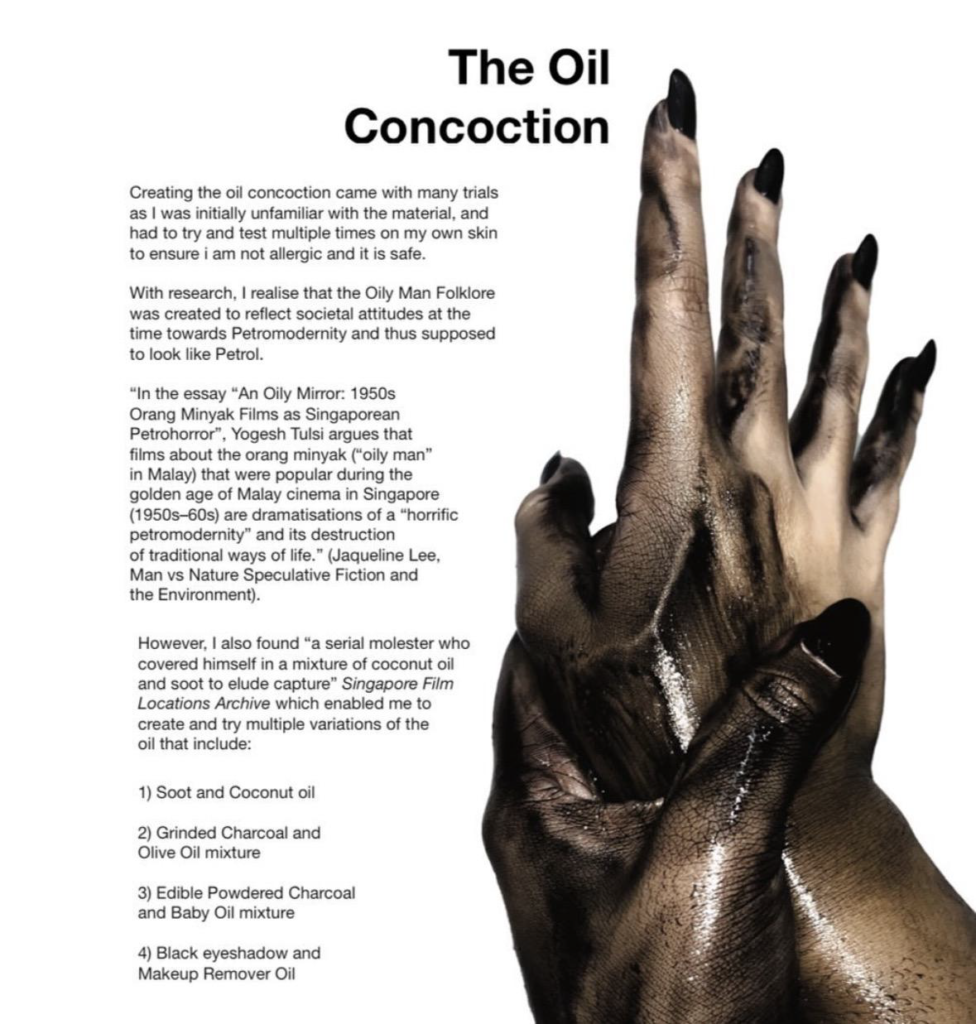
Fig 7. ‘Wanita, Wani-Nata, Wani-Ditata Publication Chapter 3.1, Page 49’, @wani_____ta (2024) [Instagram]
Atiqah’s Wanita: Minyak Mandi (Women: Oil Bath) archives extend this critique through ritual and material practice (Fig. 6). In this performance, Atiqah uses a self-prepared oil concoction (Fig. 7), referencing both Orang Minyak mythology and Islamic purification rituals such as mandi jenazah or ghusl. These rituals are traditionally meant to cleanse the deceased Muslim’s body of impurities with water before burial; a form of purification and preparation for oral and spiritual transitioning—a communal obligation (fard kifayah) in Islam. However, within Orang Minyak folklore, oil signifies defilement, sexual threat, and transgression. Atiqah uses these symbolic oppositions—oil (shame) and water (purity) as a tool of reclamation. In the performance, she mixes oil and water to reflect the dualities of cultural and religious implications. Through slow, intentional gestures, the body is neither purified nor punished but reclaimed on its own terms.
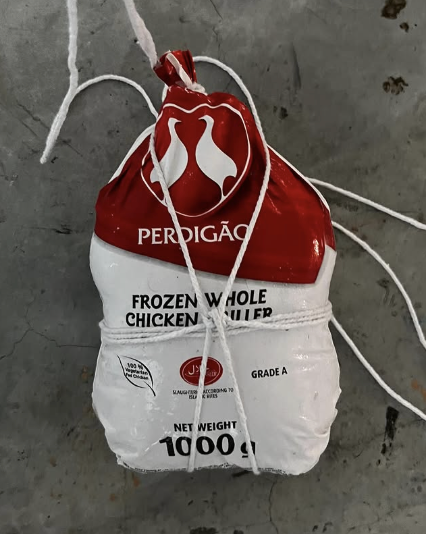
Fig 8. ‘I refuse to give context’, @wani_____ta (2025) [Instagram]
The form of reclamation is further complicated in Wanita: Daging Haram, Mayat Mandi (Third Rendition) (Fig. 4), where Atiqah introduces objects associated with consumption, abjection, and religious taboo. Her inclusion of a frozen chicken bound in rope circulated online with the caption “I refuse to give context” (Fig. 8) refuses interpretive closure altogether. The object becomes a stand-in for bodies rendered consumable, regulated, or sacrificial under patriarchal and colonial logic, showing her bodies are often objectified through these means. By withholding explanation, Atiqah denies the viewer classificatory authority, reinforcing her broader refusal of legibility.
Autotheory: Resonance, Reframing, and Embodied Recognition
I approach Atiqah’s work not as a work that represents my experience, but as one that enables recognition for such. Encountering Atiqah’s work reframed my understanding of my own relationship to hypersexuality following sexual trauma. Rather than interpreting my sexual expression as personal excess and moral failure, Atiqah’s work illuminated it as a response shaped by structural conditions of postcolonialism, violence, shame, and gendered power. Hypersexuality emerges here not as pathology but as an embodied strategy—one that negotiates agency, control, and visibility in the aftermath of violation.
This recognition is significant precisely because patriarchal visual regimes rely on shame to discipline women’s bodies that refuse legibility. Sexual expression that exceeds norms of modesty or respectability is frequently framed as dangerous, immoral, sick and self-inflicted, especially within cultures shaped by colonial moral governance. Atiqah’s Protest Party 2 disrupts these frameworks by refusing apology, containment, or redemption. The body does not seek to be understood or absolved; instead, it asserts erotic agency through excess, confrontation and refusal. In doing so, Atiqah’s performance unsettles the audience’s expectation that female trauma must be rendered palatable, silent, and moldable to be recognised as legitimate.
It has to be said that this reflection does not collapse my experience into Atiqah’s artistic practice. Rather, it acknowledges how her work exposes broader structures that have shaped my self-perception and gives me embodied closure. Hypersexuality, within this framework, is not simply a personal response to trauma but a site where power, visibility, and control are contested.
By situating my embodied response alongside Atiqah’s work, autotheory becomes a methodological tool rather than a confessional gesture. It allows me to trace how imperial and patriarchal scopic regimes extend beyond representation and into lived experience, shaping how bodies are read, disciplined, and internalised. In this sense, Protest Party 2 does not offer resolution but permission—to reclaim erotic agency without apology and to refuse the shame that underwrites visual and moral authority.
Limitations and Tensions: Oil, Sensuality and the Risk of Misreading
Wanita; Wani-Nata, Wani-Ditata offers a powerful framework for embodied recognition and reclamation; however, it is also necessary to acknowledge the tensions that emerge when such work circulates within dominant visual and institutional regimes. Atiqah’s performances are intentionally ambiguous: non-verbal, non-linear, and resistant to narrative resolution. Similar to Butoh, a Japanese dance form practiced worldwide that explores surrealist themes of the human, Atiqah’s work prioritises affect over effect through movement and presence over spoken explanation. This sense of openness is central to her body of work, as it grants the audience interpretive autonomy and invites self-reflection on moral perceptions of
womanhood, sexuality, and bodily autonomy rather than prescribing a singular intended meaning.
However, this interpretive openness also introduces structural risk. Within the means of structural institutions built on colonial moral governance and influence, the effectiveness of hypersexuality as a counter-visual strategy remains dependent upon the viewer’s willingness to relinquish moral judgement, voyeuristic desire, and the impulse to classify and categorise what is seen into conventional labels. Imperial and patriarchal scopic regimes have historically resisted such relinquishment, particularly within Western institutional contexts where non-Western female bodies are frequently classified through exoticising, eroticising, or moralising lenses. Hence, Atiqah’s performances risk being misread—not as critiques of sexualisation, but as spectacles of it. Oil, sensuality and exposure may be consumed instead rather than questioned, reabsorbed into the very visual economies the work seeks to disrupt.
This potential for misrecognition does not, however, constitute an artistic failure. Rather, it exposes the persistence and adaptability of imperial scopic regimes, which continue to shape how bodies are seen and understood even within spaces that claim critical or progressive intent. The risk of eroticisation or moral judgement underscores how deeply entrenched moral frameworks rely on visibility as a means of control, particularly when dealing with bodies that refuse modesty, legibility and means of clarity.
However, Atiqah’s work does not seek to eliminate such risks through clarification or explanation. Instead, it responds to moral failure by holding space for ambiguity while grounding the work in care, ritual, and deep historical and contextual depth. Through recurring symbols, embodied rituals, and the affective atmosphere of Wanita, the project offers comfort and recognition to those affected by sexual trauma, rather than prioritising legibility. Even if misinterpreted, the performance functions as acts of refusal—refusing to instruct, justify or render the erotic body safe for consumption. Through this, Wanita remains a nurturing yet confrontational project, one that raises awareness not by resolving discomfort, but by sustaining it as a site of ethical and political embodiment.
Conclusion
Wanita; Wani-Nata, Wani-Ditata dismantles colonial and patriarchal ways of seeing Southeast Asian women not through silence but through deliberate overexposure and reclamation on Nurul Atiqah Zaidi’s own terms. Rather than rendering the female body invisible or morally contained, Atiqah insists on its exaggerated presence—oiled, hypervisible, excessive and confrontational. Her refusal to conform through her body of work disrupts the very ideas imperial regimes aim to contain, which have long positioned women as objects to be protected, answered for, feared and consumed. The viewer is no longer provided comfort or clarity but is confronted with the limits of their own mind: to desire, judge and make sense of what is before them.
At the centre of this disruption is hypersexuality, which Atiqah reframes not as damage or moral failure, but as methodology. Across Wanita, erotic excess becomes a form of protest and solidarity—a way of producing knowledge through performance and ambiguity. It refuses disembodied analysis and objectification and instead asserts agency, refusing respectability as the price for being taken seriously. In this way, hypersexuality functions as a counter-epistemology—one that challenges colonial and patriarchal regimes that rely on shame, containment, and legibility to maintain control. What I had once internalised as personal excess or failure became legible as a response to violence shaped by broader structures of power. Atiqah’s refusal of apology or containment made space for recognition and reflection without equivalence, allowing me to see how deeply colonial and patriarchal ways of seeing extend beyond representation and into embodied experience. Ultimately, Atiqah’s project Wanita does not seek to resolve the institution but to unsettle it—offering a way to reclaim erotic agency, survivorship, and visibility without asking for permission, forgiveness, or understanding.
Bibliography
IndoZone (2026) Misteri Orang Minyak, Hantu Malaysia yang Suka Mengganggu Para Gadis Perawan dan Janda. Available at: https://fadami.indozone.id/ramalan/441352784/misteri-orang-minyak-hantu-malaysia-yang-suka-mengganggu-para-gadis-perawan-dan-janda (Accessed: 9 Jan 2026).
Alvina, M. (2024) Behind the Myth: Who Are Orang Minyak And What Is Their Backstory? SAYS. Available at: https://says.com/my/lifestyle/who-are-orang-minyak (Accessed: 9 Jan 2026).
Shohat, E. and Stam, R. (2014) Unthinking Eurocentrism: Multiculturalism and the Media. 2nd edn. London: Routledge. Available at: https://www.are.na/block/10593897 (Accessed: 12 January 2026)
Goldma, I.S. (1996) ‘Unthinking Eurocentrism Radicalizing Multiculturalism’. Review of Unthinking Eurocentrism: Multiculturalism and the Media by Shohat, E. and Stam, R. Jump Cut: A Review of Contemporary Media. Issue 40. Available at: https://www.ejumpcut.org/archive/onlinessays/JC40folder/UnthkgEurocentRev.html (Accessed: 12 Jan 2026)
Lorde, A. (1978) Uses of the Erotic: The Erotic as Power. In: Sister Outsider: Essays and Speeches. Trumansburg, NY: Crossing Press (pp. 53) Available at: https://stilluntitledproject.wordpress.com/wp-content/uploads/2014/11/audre-lorde-sister-outsider-the-uses-of-the-erotic-1978.pdf (Accessed: 25 Jan 2026).
Zhuang, Z. (2024) ‘Meet Xue, The Butoh Performer Pushing the Boundaries of Dance’, Grazia Singapore. Available at: https://grazia.sg/culture/xue-dance-singapore-butoh-collective/ (Accessed: 25 Jan 2026).
Psych2Go (2025) It’s Not Desire, it’s Survival. 23 November. Available at: https://www.youtube.com/watch?v=YeZPofDXgis (Accessed: 28 Jan 2026).
Genova, J.E. (2006) ‘Cinema and the Struggle to (De)Colonize the Mind in French/Francophone West Africa (1950s-1960s)’, The Journal of the Midwest Modern Language Association, 39(1), pp. 50-62. Available at: https://www.jstor.org/stable/20464156 (Accessed: 1 Feb 2026)
Images Cited
Figure. 1. Nurul, A. @wani_____ta (2024) ‘Nata, Wani-Ditata Art film by @nurulatiqahzaidi’, [Instagram]. 7 May 2024. Available at: https://www.instagram.com/p/C6rKF75S3zm/ (Accessed: 8 Jan 2026)
Figure. 2. Nurul, A. @wani_____ta (2024) ‘Archives of Wanita; Wani-Nata, Wani-Ditata film by @nurulatiqahzaidi’, [Instagram]. 27 February 2024. Available at: https://www.instagram.com/p/C32L0KGvSqC/ (Accessed: 8 Jan 2026)
Figure. 3. Krishnan, L. (1958) Orang Minyak [Image]. 27 February 2024. Available at: https://fadami.indozone.id/ramalan/441352784/misteri-orang-minyak-hantu-malaysia-yang-suka-mengganggu-para-gadis-perawan-dan-janda (Accessed: 12 Jan 2026)
Figure. 4. Nurul, A. @nurulatiqahzaidi and @wani_____ta (2025) ‘Archives of Wanita; Daging Haram, Mayat Mandi (Third Rendition) (2025) BA (Hons) Fine Art Performance / The Morgue, Chelsea College of the Arts London / 03/04/2025 NAFA x UAL Final Exhibition, London’, [Instagram]. 3 April 2025. Available at: https://www.instagram.com/p/DIOODMAS4c1/?img_index=1 (Accessed: 12 Jan 2026)
Figure. 5. Nurul, A. @nurulatiqahzaidi and @wani_____ta (2024) ‘Protest Party 2: Wanita Ditata Archives 21/06/24 | Atiqah on hypersexuality after trauma and sexual assault’, [Instagram]. 21 June 2024. Available at: https://www.instagram.com/p/C8rifTiSCVv/?img_index=1 (Accessed: 15 Jan 2026)
Figure. 6. Nurul, A. @nurulatiqahzaidi and @wani_____ta (2025) ‘Wanita: Minyak Mandi Archives 18/01/2025 | Performative Practices Lab 2025 x Singapore Art Week’, [Instagram]. 19 February 2025. Available at: https://www.instagram.com/p/DGP1ztGMCe1/ (Accessed: 15 Jan 2026)
Figure. 7. Nurul, A. @wani_____ta (2024) ‘Wanita, Wani-Nata, Wani-Ditata Publication Chapter 3.1, Page 49’, [Instagram]. 12 May 2024. Available at: https://www.instagram.com/p/C63i2h2LTMe/ (Accessed: 18 Jan 2026)
Figure. 8. Nurul, A. @wani_____ta (2025) ‘I refuse to give context’, [Instagram]. 20 April 2025. Available at: https://www.instagram.com/p/DIqgWW6zjo0/ (Accessed: 25 Jan 2026)
back to top
Leave a Reply